Spiders
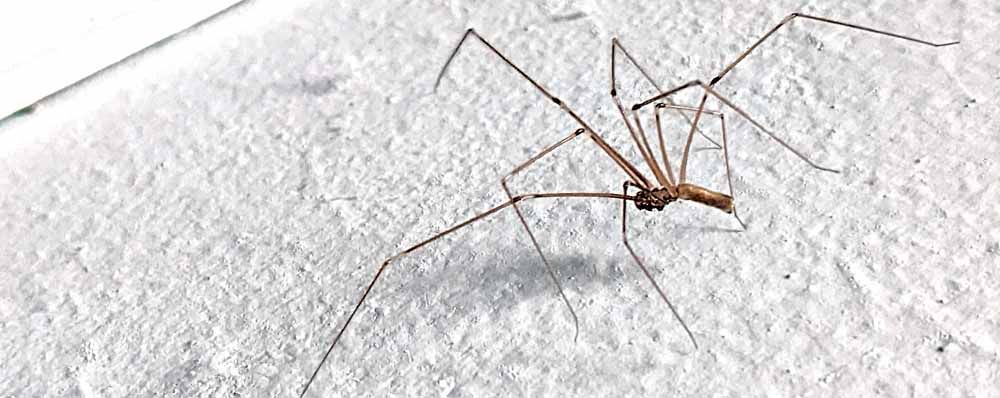
Cellar Spiders (Pholcidae family)
- Appearance: Very long, thin legs with small, fragile-looking bodies (¼–½ inch). Usually pale gray or light brown.
- Webs: Irregular, loose cobwebs, often in corners, ceilings, basements, or crawl spaces.
- Habitat: Basements, cellars, attics, garages, and other dark, undisturbed indoor areas.
- Behavior: Slow-moving, vibrate in their webs when disturbed. Non-aggressive and generally harmless.
- Bite: Harmless to humans, bite is extremely rare.
- Fact: Feed on other insects and spiders, including small pest species, making them beneficial indoors.
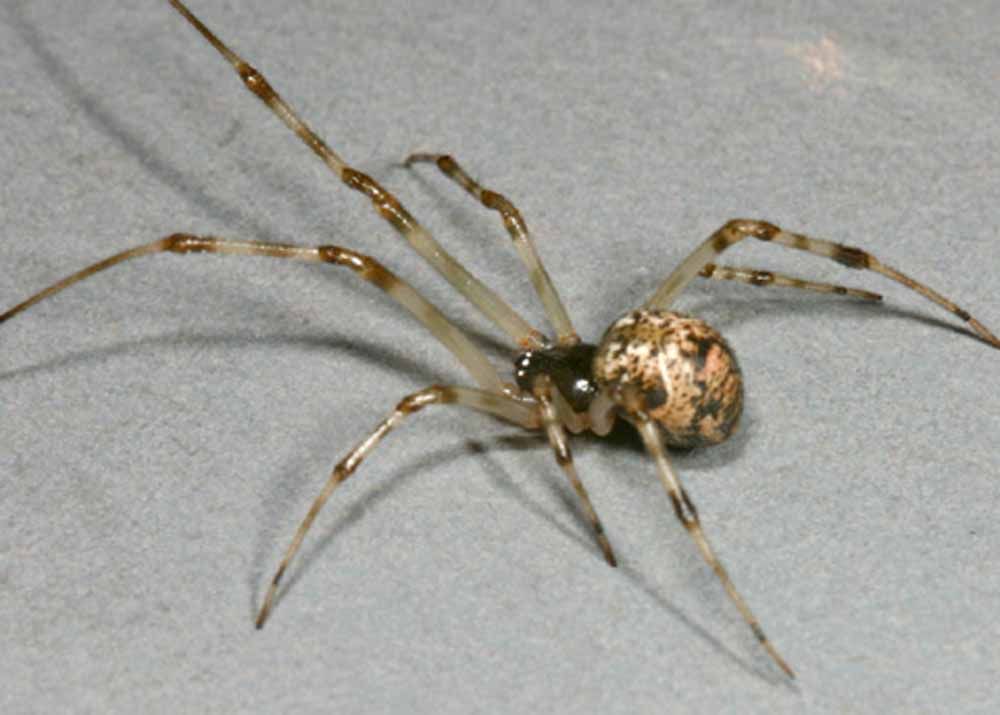
Common House Spider (Parasteatoda tepidariorum)
- Appearance: Small to medium (¼–½ inch body), brownish with slightly mottled markings, long, thin legs.
- Webs: Irregular, messy cobwebs in corners, basements, attics, or window frames.
- Habitat: Indoors, corners, closets, basements, garages, and eaves.
- Behavior: Non-aggressive
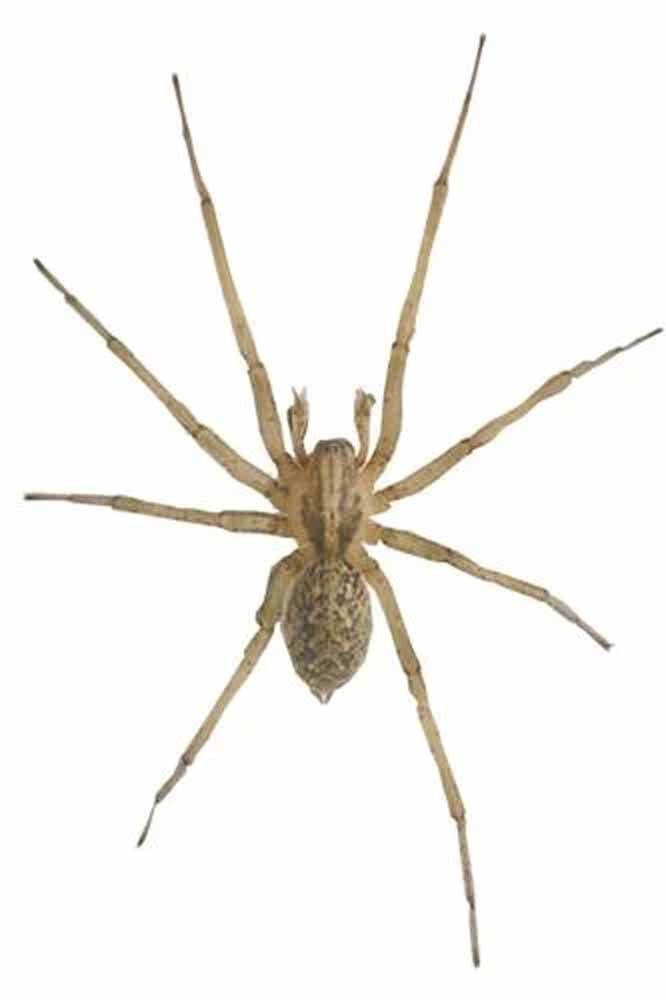
Hobo Spider (Eratigena agrestis)
- Appearance: Medium-to-large (up to 4 inches including legs), brown with faint chevron patterns on the abdomen. No distinct violin shape (unlike the brown recluse, which is not native to Montana).
- Webs: Build funnel-shaped webs along baseboards, windowsills, landscaping, or ground-level cracks.
- Habitat: Basements, crawl spaces, garages, and other dark, undisturbed indoor areas.
- Behavior: Fast runners, not climbers; usually at ground level. They can be aggressive and will bite if trapped.
- Bite: Considered to be dangerous, may cause necrosis in some cases.
- Fact: People often confuse hobo spiders with wolf spiders or common house spiders. Often referred to in MT as the brown recluse.
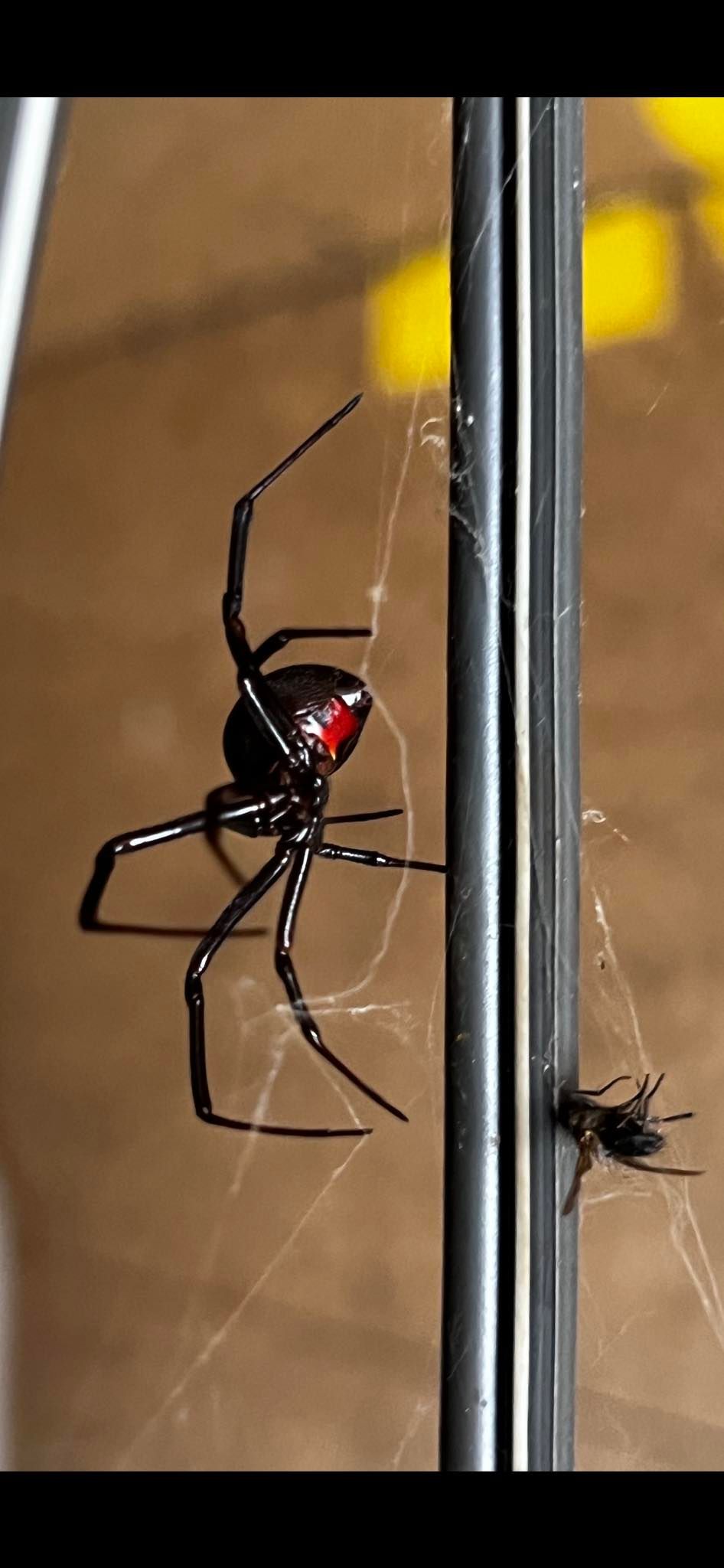
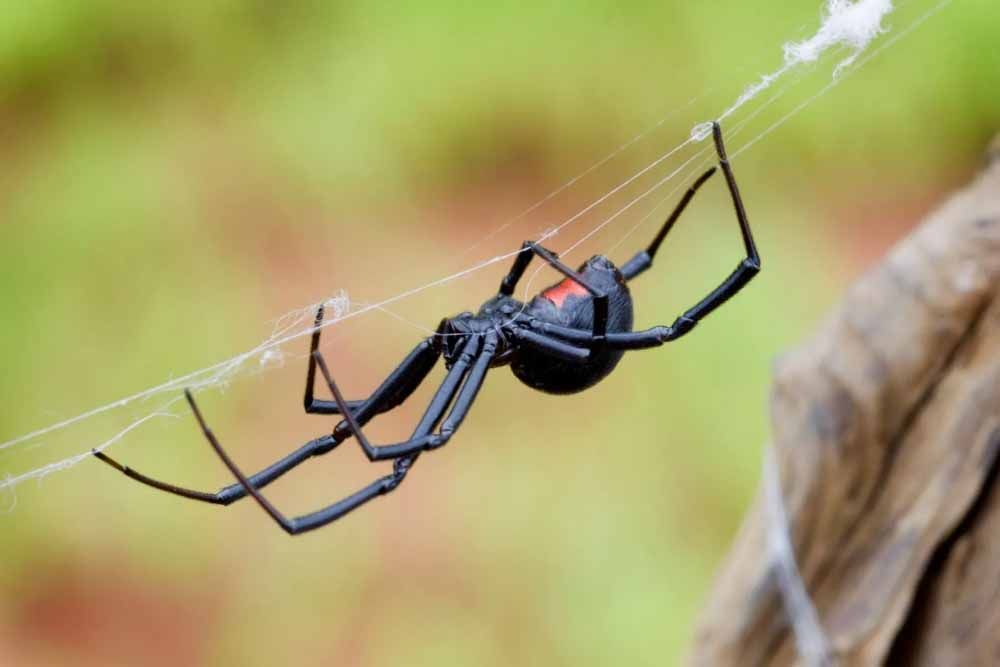
Black Widow Spider (Latrodectus hesperus)
- Appearance: Shiny black body, about ½ inch long; females have a red or orange hourglass marking on the underside of their abdomen.
- Habitat: Prefer dark, undisturbed areas like woodpiles, sheds, garages, and crawl spaces. Rarely inside main living areas.
- Behavior: Shy, not aggressive unless disturbed. They spin irregular, messy webs close to the ground.
- Bite: Venomous, can cause muscle pain, cramps, and nausea, but bites are rarely fatal with medical care.
- Fact: Females are the dangerous ones, males are smaller and argued to not be medically significant.
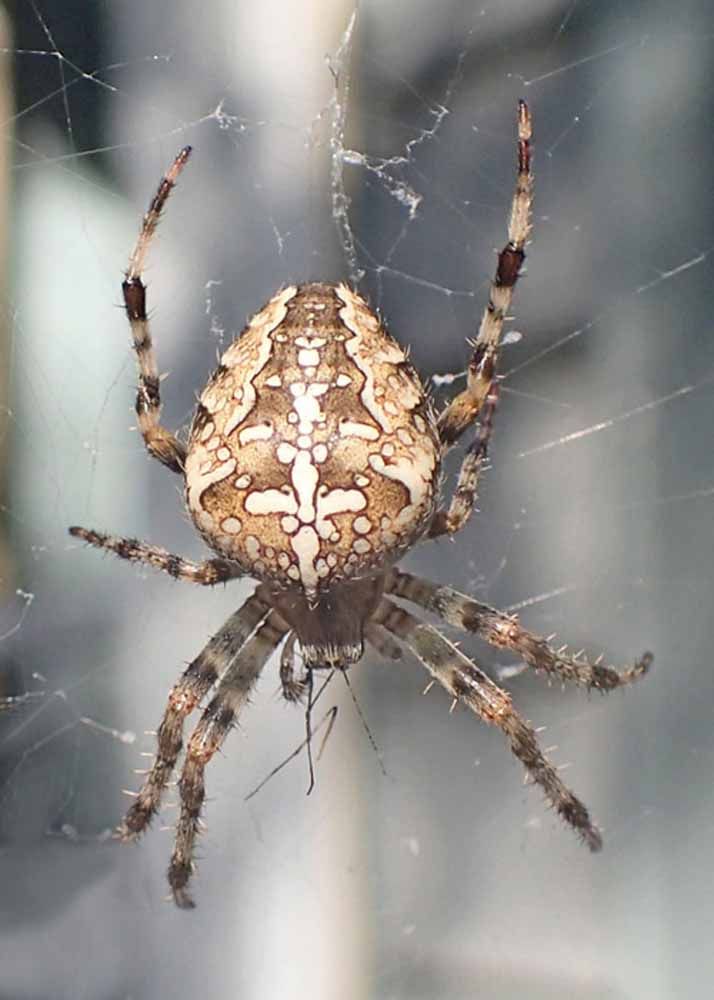
Orb Weaver Spiders (Araneidae family)
- Appearance: Vary in color (brown, orange, yellow, or patterned), often plump-bodied.
- Webs: Famous for their large, circular “wheel-shaped” webs, usually built outdoors near lights, porches, or gardens.
- Habitat: Common around homes, sheds, fences, and vegetation; usually not found inside.
- Behavior: Not aggressive, will retreat if disturbed.
- Bite: Harmless to humans, though a defensive bite may cause mild irritation.
- Fact: Great natural pest control, they catch mosquitoes, flies, and moths.
Flying Insects
Cluster Fly (Pollenia)
- Appearance: Larger than houseflies, sluggish flyers.
- Habitat: Overwinter inside attics, walls, and unused rooms.
- Facts: Not harmful but a nuisance, emerge in spring.
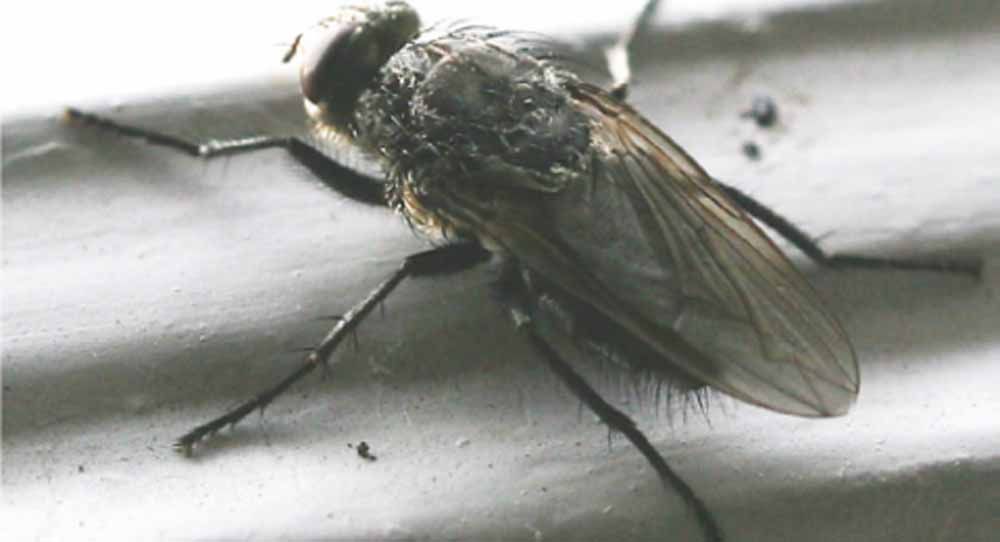
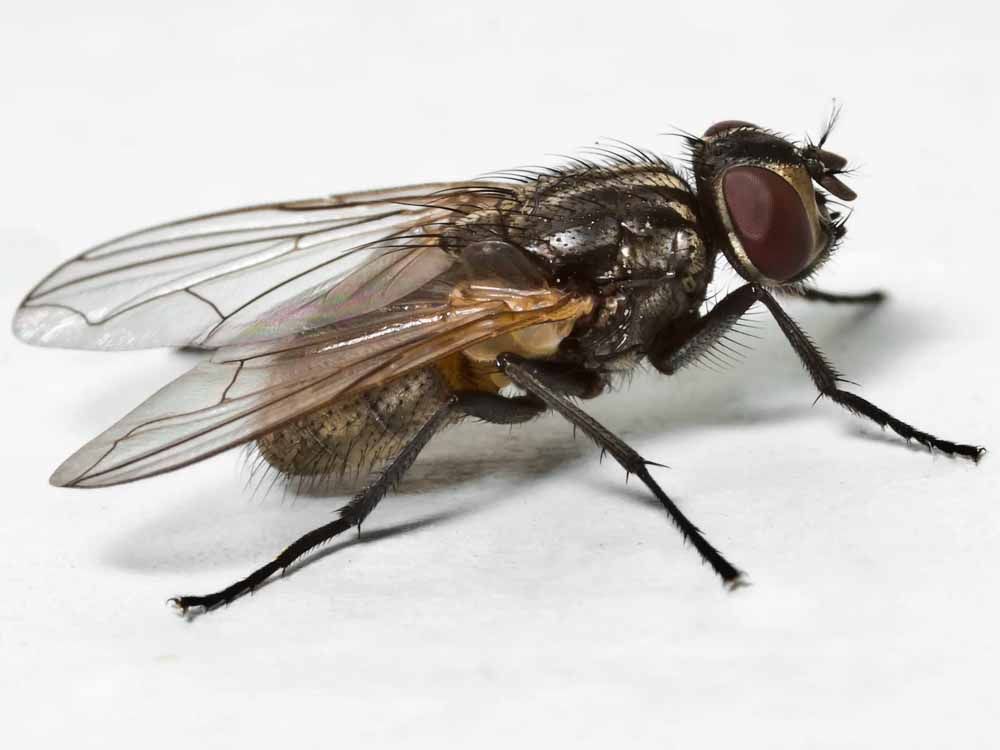
House Fly (Musca Domestica)
- Appearance: Gray, with 4 black stripes on the thorax.
- Habitat: Kitchens, garbage, manure.
- Facts: Spread bacteria and disease through contamination.
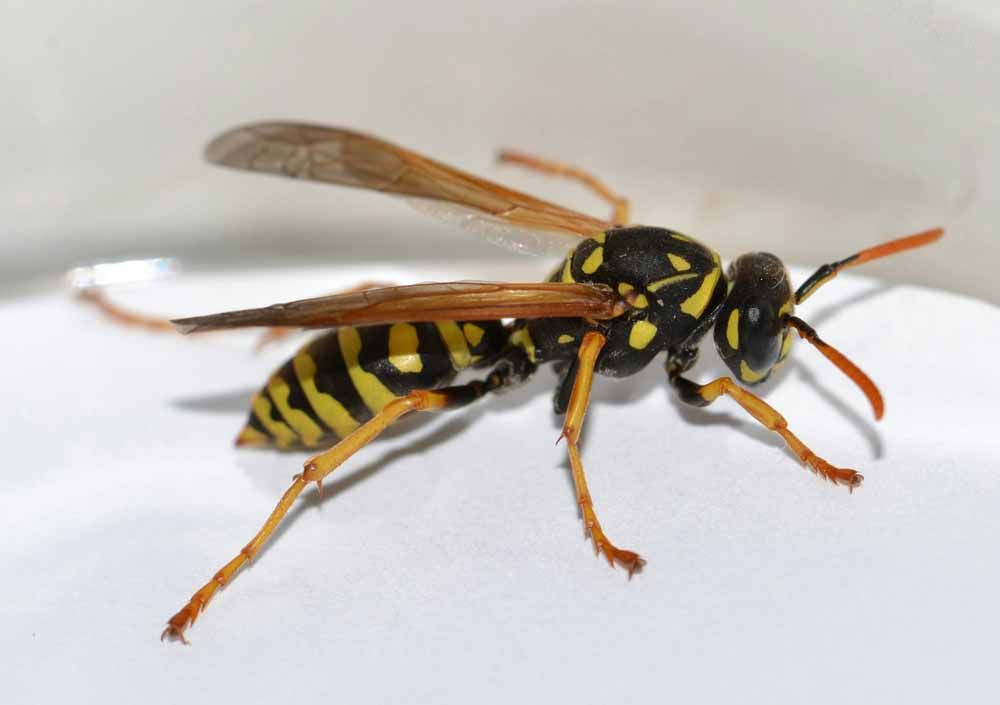
Paper Wasps (Polistes)
- Appearance: Slim, wasp-like with dangling legs in flight.
- Habitat: Build open, umbrella-shaped nests under eaves.
- Facts: Aggressive near nests.
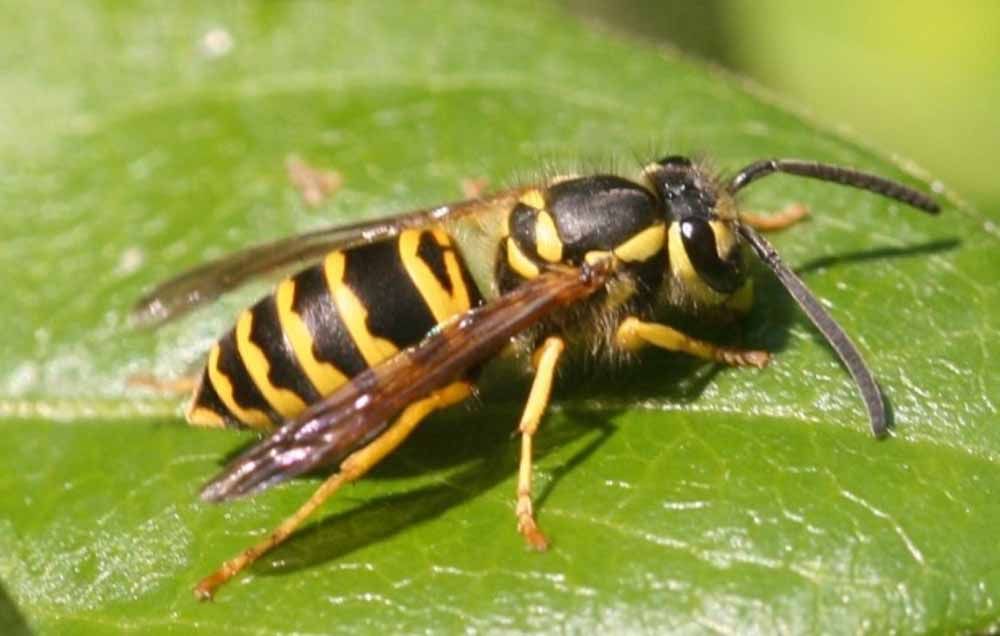
Yellowjacket (Vespula pensylvanica)
- Appearance: Bright yellow and black, compact bodies.
- Habitat: Ground nests, wall voids, attics.
- Facts:
Very aggressive, especially late summer, common picnic pests.
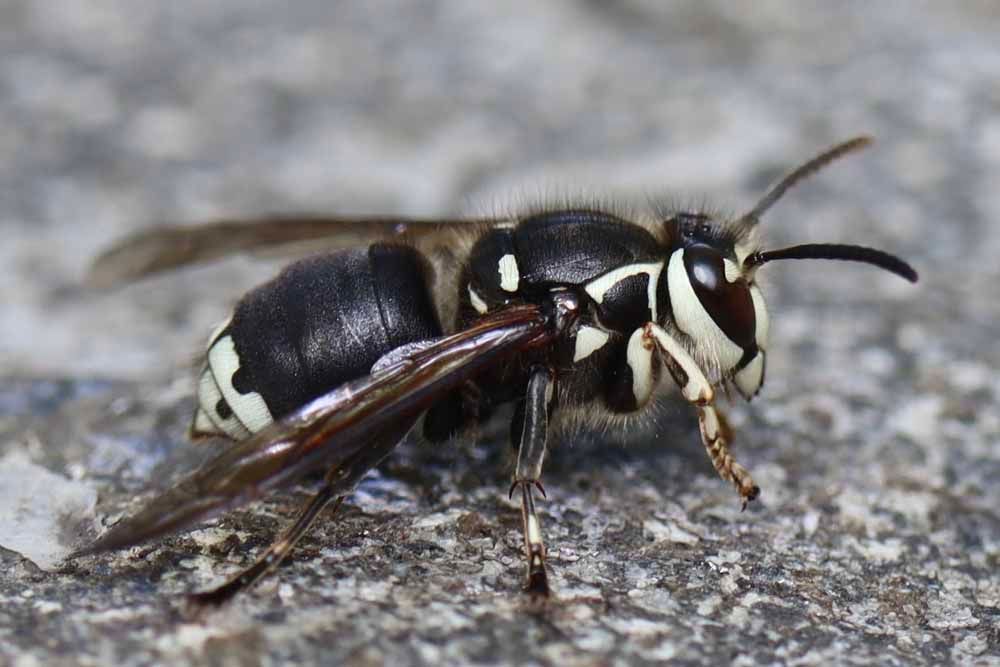
Bald-faced Hornets (Dolichovespula maculata)
- Appearance: Black with white markings; large (¾ in).
- Habitat: Large gray paper nests in trees or buildings.
- Facts: Very aggressive defenders of nests; actually a type of yellowjacket.
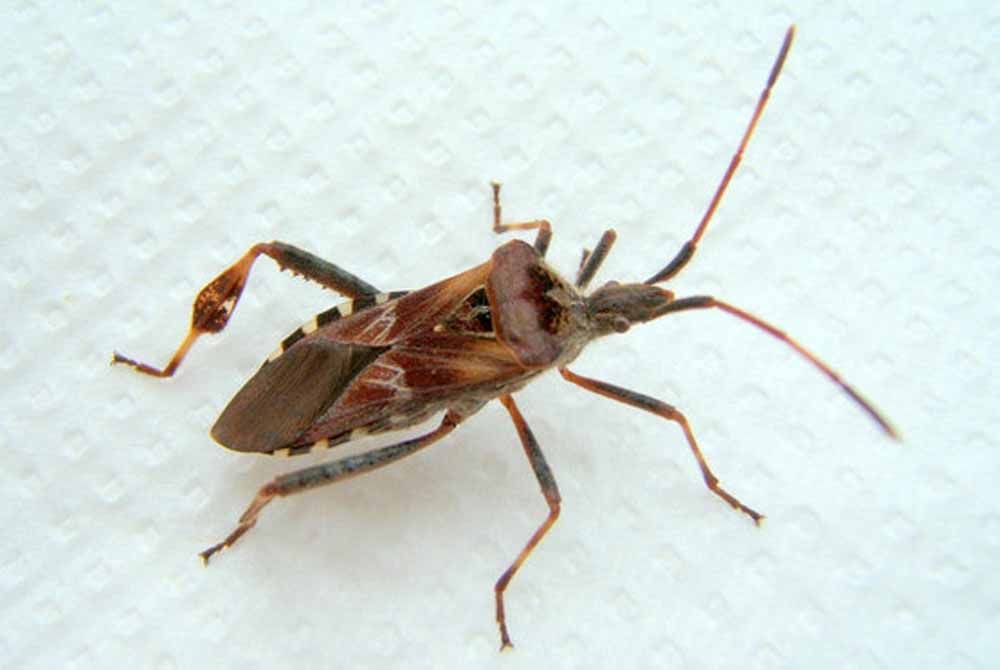
Western Conifer Seed Bug (Leptoglossus occidentalis)
- Appearance: About 12–18 mm long. Brownish-grey, elongated body with flattened hind legs that have leaf-like expansions. Can be mistaken for stink bugs; emits a faint odor when disturbed.
- Habitat: Often found on windows and houses in fall as they seek shelter for overwintering.
General facts:
- Feeds on seeds of conifers by piercing and sucking sap.
- Non-aggressive, does not bite humans or damage homes.
- Native to western North America but has spread to Europe.
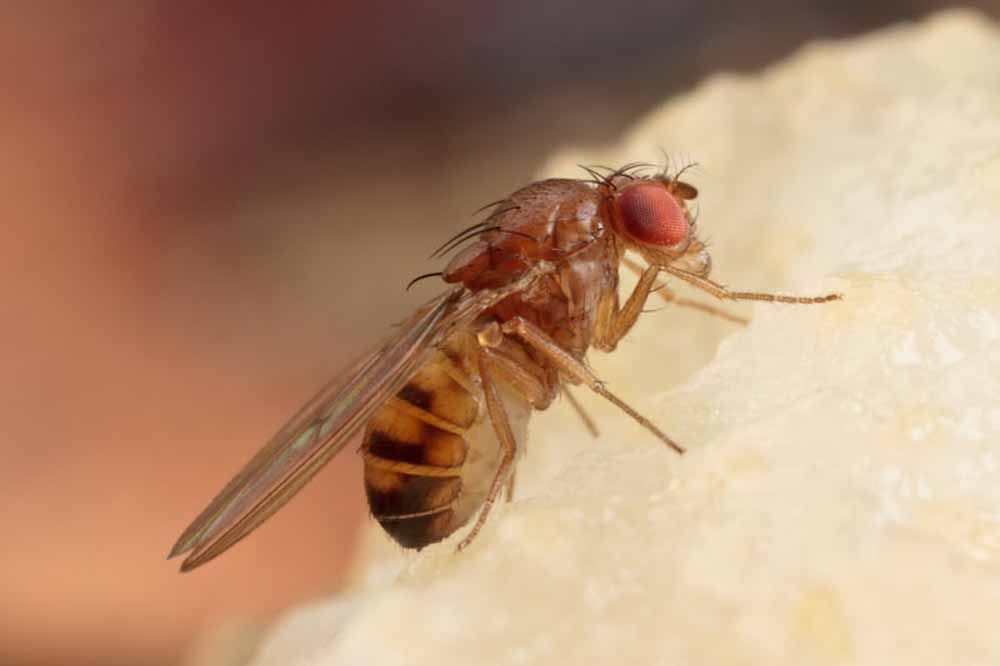
Fruit Flies (Drosophila Melanogaster)
- Appearance: Tiny flies, often with red eyes.
- Habitat: Kitchens near ripened fruit or fermenting liquids.
- Facts: Reproduce quickly; thrive in drains, compost, or garbage.
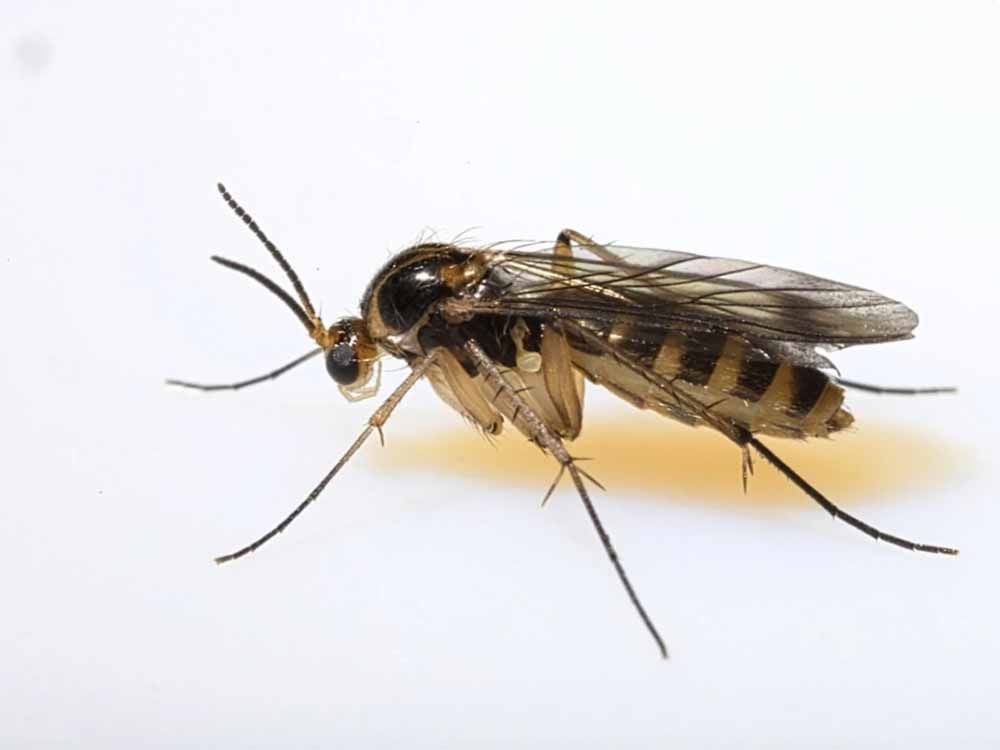
Fungus Gnat (Mycetophilidae)
- Appearance: Tiny black flying insects.
- Habitat: Found near overwatered houseplants.
- Facts:
Harmless to humans but can damage plant roots.
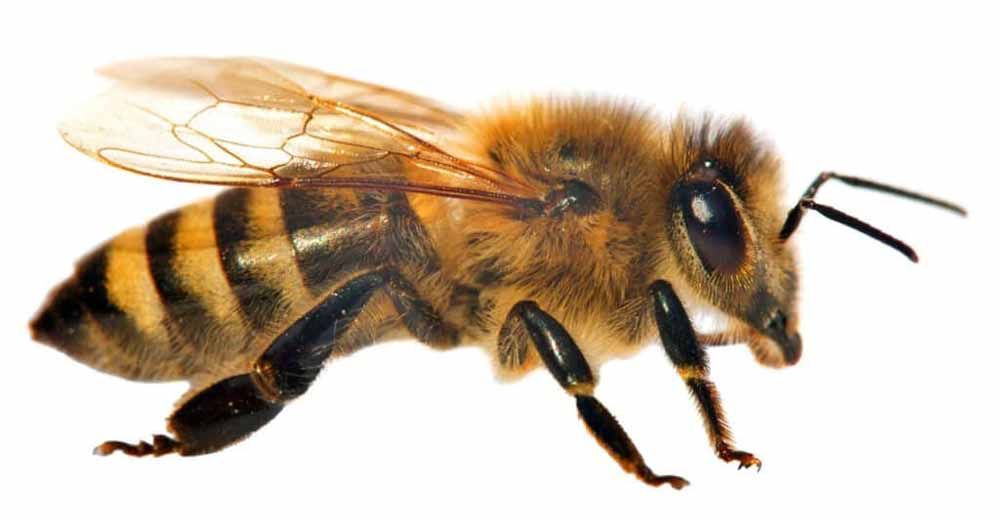
Honeybee (Apis mellifera)
- Appearance: About 12–15 mm long. Golden-brown with black bands, fuzzy thorax, transparent wings.
- Habitat: Found worldwide in temperate climates. Nests in cavities, trees, or managed hives.
General facts:
- Social insects living in colonies with a queen, workers, and drones.
- Pollinators of crops and wild plants; produce honey and beeswax.
- Non-aggressive unless the hive is threatened; can sting once.
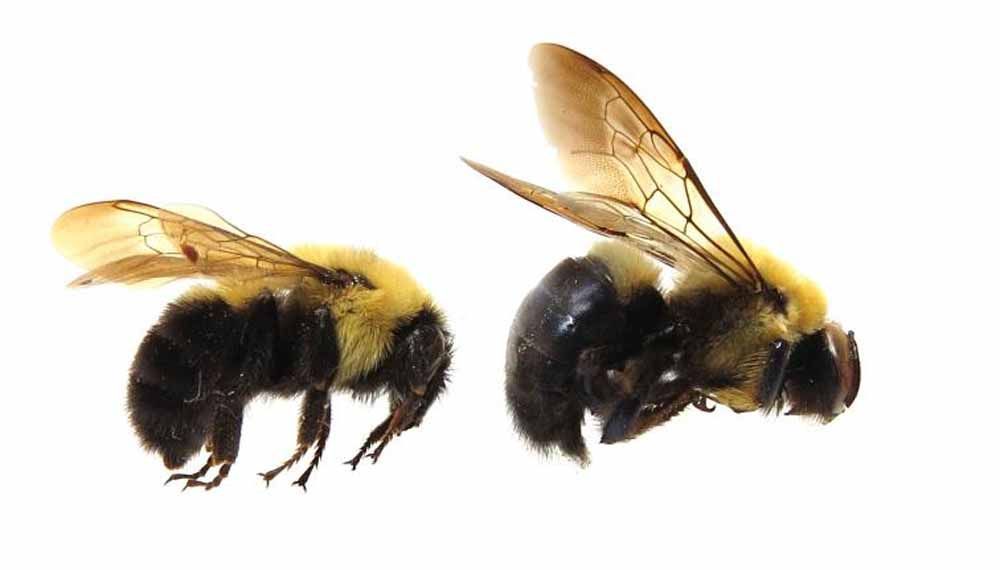
Bumblebee (Bombus impatiens or Bombus occidentalis)
- Appearance: Large and robust; 15–25 mm long. Fuzzy body with black and yellow (sometimes orange/white) bands. Rounded abdomen compared to honeybee.
- Habitat: Temperate regions; open fields, gardens, and forest edges. Nest underground, in abandoned rodent burrows, or above ground in cavities.
General facts:
- Excellent pollinators; can “buzz pollinate” (vibrate flowers to release pollen).
- Social, but colonies smaller than honeybees.
- Non-aggressive, sting only if directly threatened.
Household Invaders
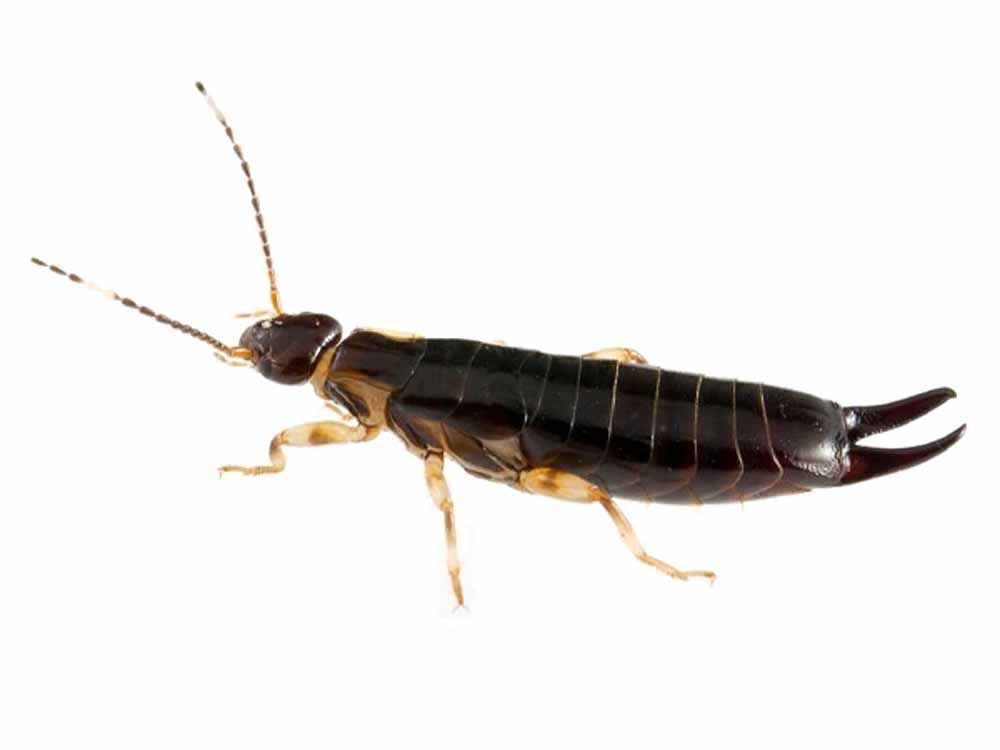
Earwigs (Forficula Auricularia)
- Appearance: Medium-sized: 10–25 mm long Brown, with pincers on the rear.
- Habitat: Moist, dark areas like basements and bathrooms.
- Facts: Not harmful to people; can enter homes in large numbers.
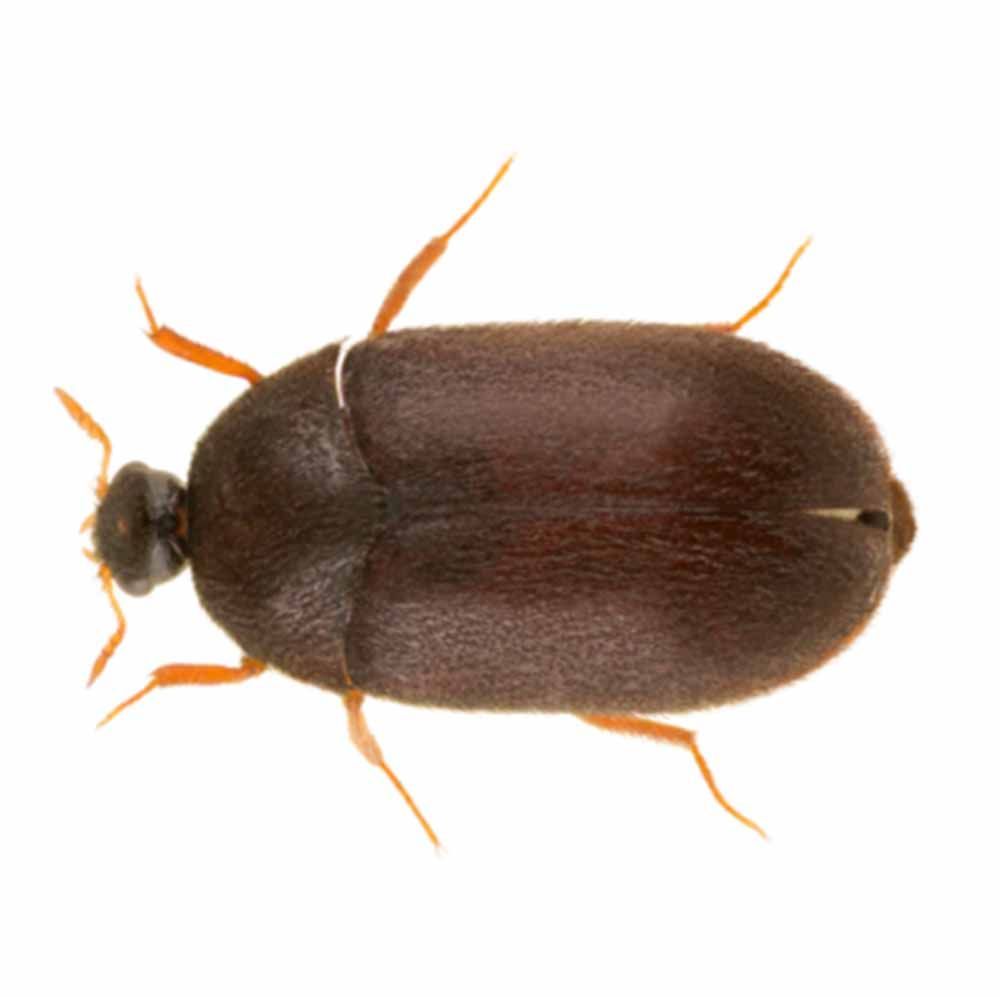
Carpet Beetles (Anthrenus verbasci)
- Appearance: Small, rounded beetles; larvae look like fuzzy little worms.
- Habitat: Carpets, furniture, clothing, stored foods.
- Facts:
Larvae eat wool, leather, and natural fibers.
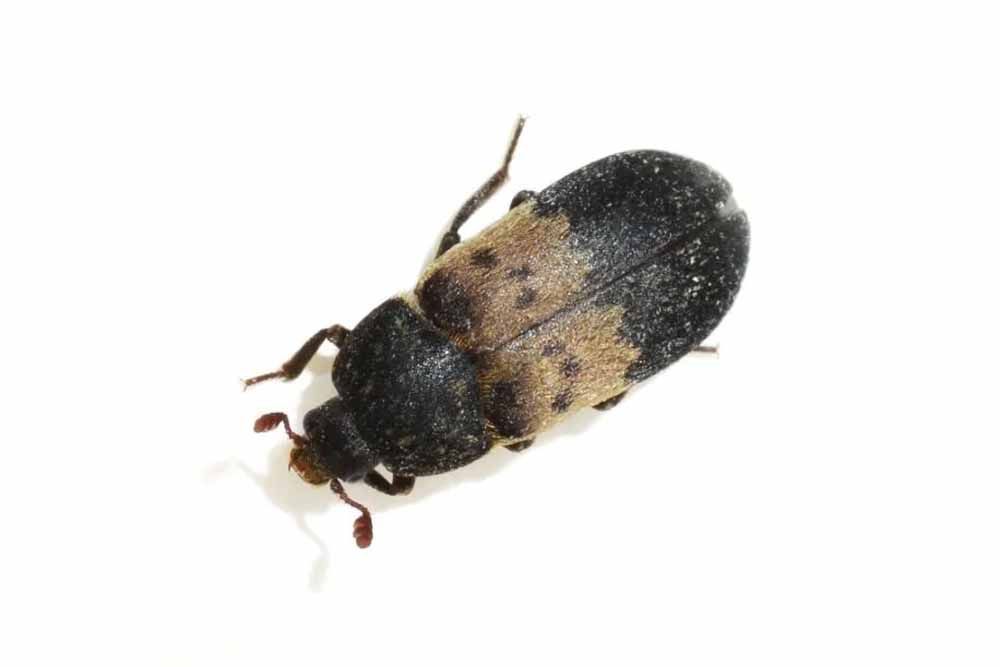
Larder Beetle (Dermestes Lardarius)
- Appearance: Small-Med sized, 7-9mm long, dark brown, jellowish band across the upper part of the wing covers that have three black spots.
- Habitat: Found in pantries, areas storing dried foods, stored grains, pet food.
- Facts: More active at night. Larvae causes more damage feeding on protein rich materials. They can survive several months without food and excellent at spreading within houses.
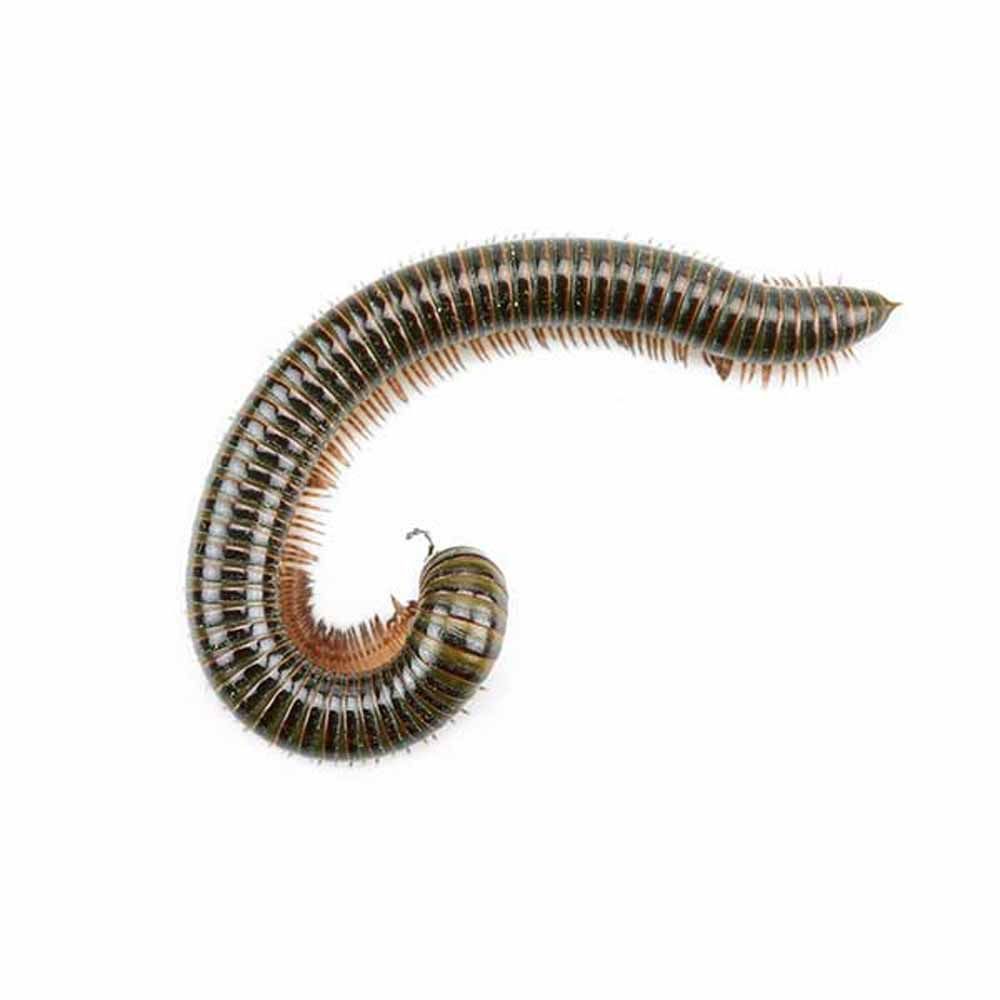
Millipedes (Diplopoda)
- Appearance: Long, cylindrical, with many legs (2 pairs per segment).
- Habitat: Damp soil, leaf litter; sometimes wander indoors.
- Facts:
Feed on decaying matter; harmless but can appear in large numbers indoors after rain.
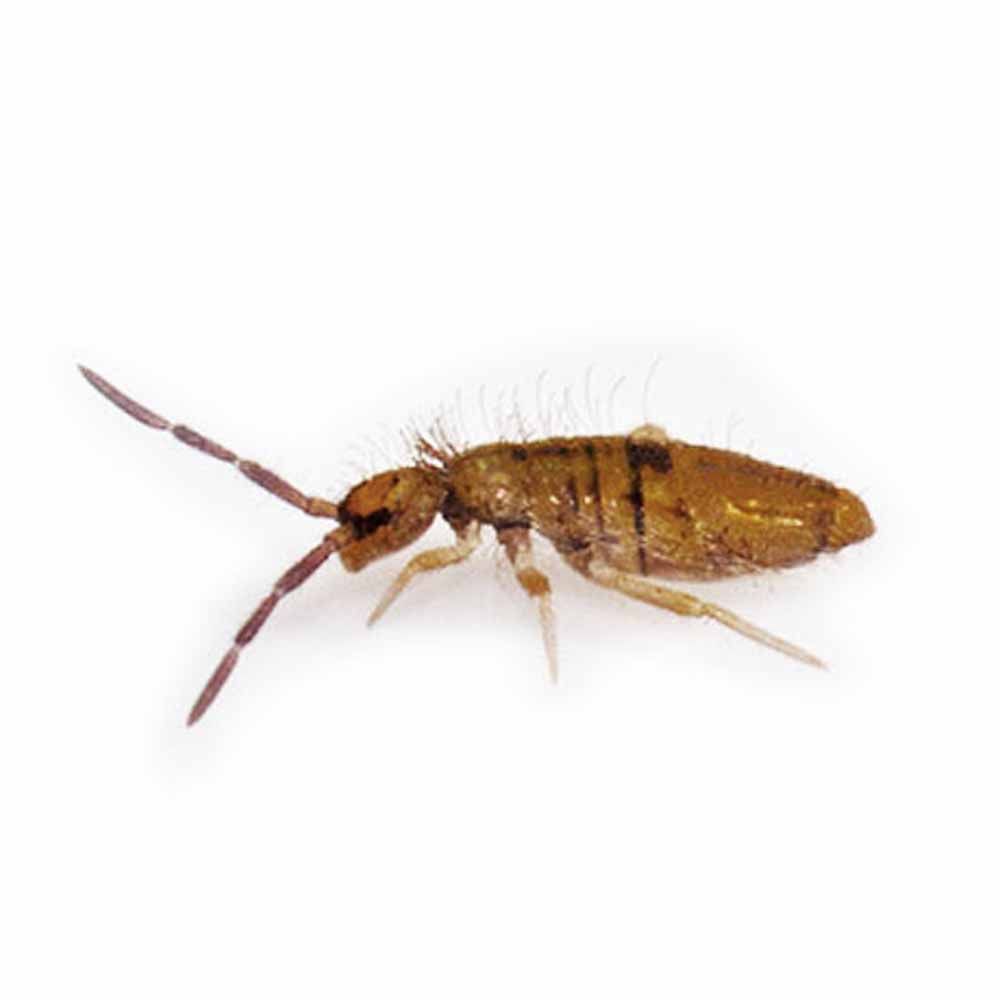
Springtails (Collembola)
- Appearance: Tiny (1–2 mm), gray or white, jump when disturbed.
- Habitat: Damp soil, bathrooms, basements.
- Facts: Feed on mold and fungi, harmless to humans but a nuisance in damp homes. Not true insects. Collembola are hexapods, closely related to insects.
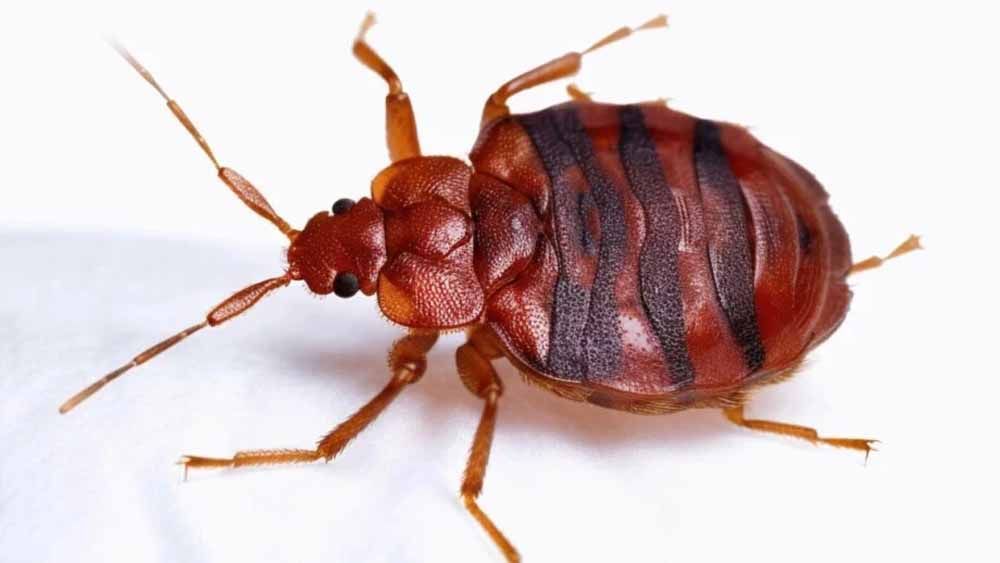
Bed Bugs (Cimex lectularius)
- Appearance: Flat, reddish-brown, apple-seed-sized insects.
- Habitat: Mattresses, furniture seams, cracks near beds.
- Facts:
Feed on blood at night; do not spread disease but cause itchy bites.
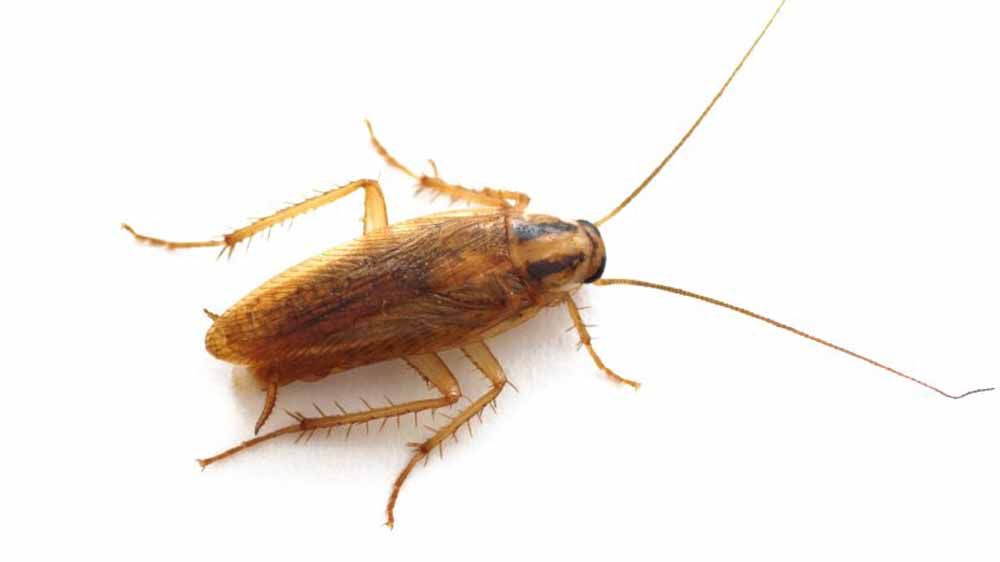
German Cockroach (Blattella Germanica)
- Appearance: Small (12-16mm). Light brown to tan. Two dark longitudinal stripes on the pronotum (behind head).
- Habitat: Indoors, kitchens, bathrooms, food storage areas. Prefer warm humid environments near food and water.
- Facts: Highly prolific, reproduce quickly, feed on scraps, crumbs, grease. Can spread bacteria and pathogens. Very difficult to control once established.
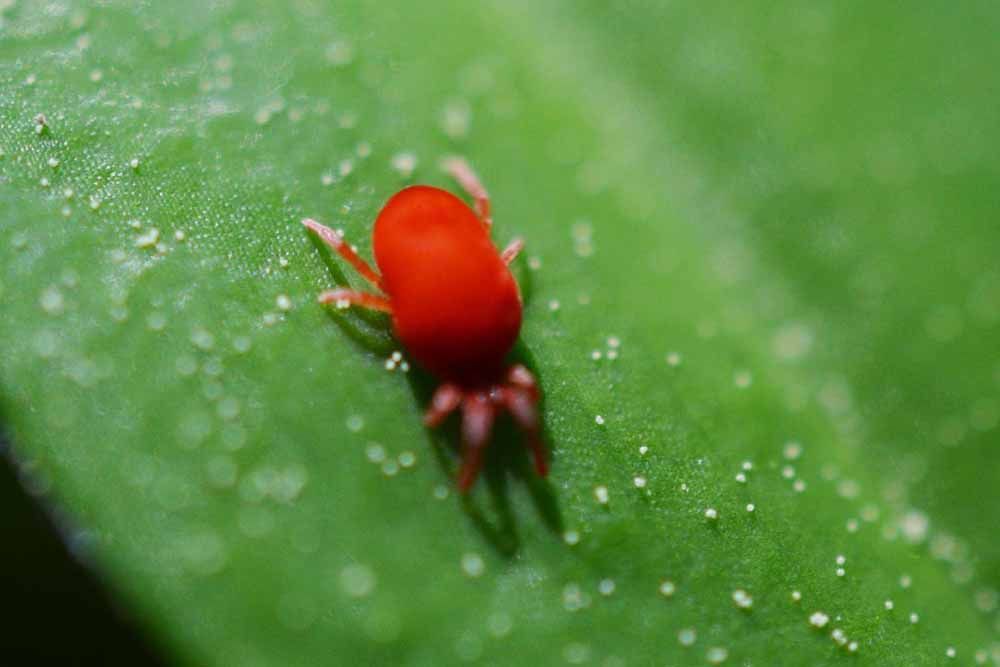
Clover Mite (Bryobia Praetiosa)
- Appearance: Extremely small .75mm. Reddish or brownish color.
- Habitat: Commonly found on lawns, windows, sunny walls, spring and fall.
- Facts: Do not bite humans or spread disease. Feed on vegetation outdoors. Do not live or reproduce indoors.